
The Fort Bragg Cartel: Drug Trafficking and Murder in the Special Forces
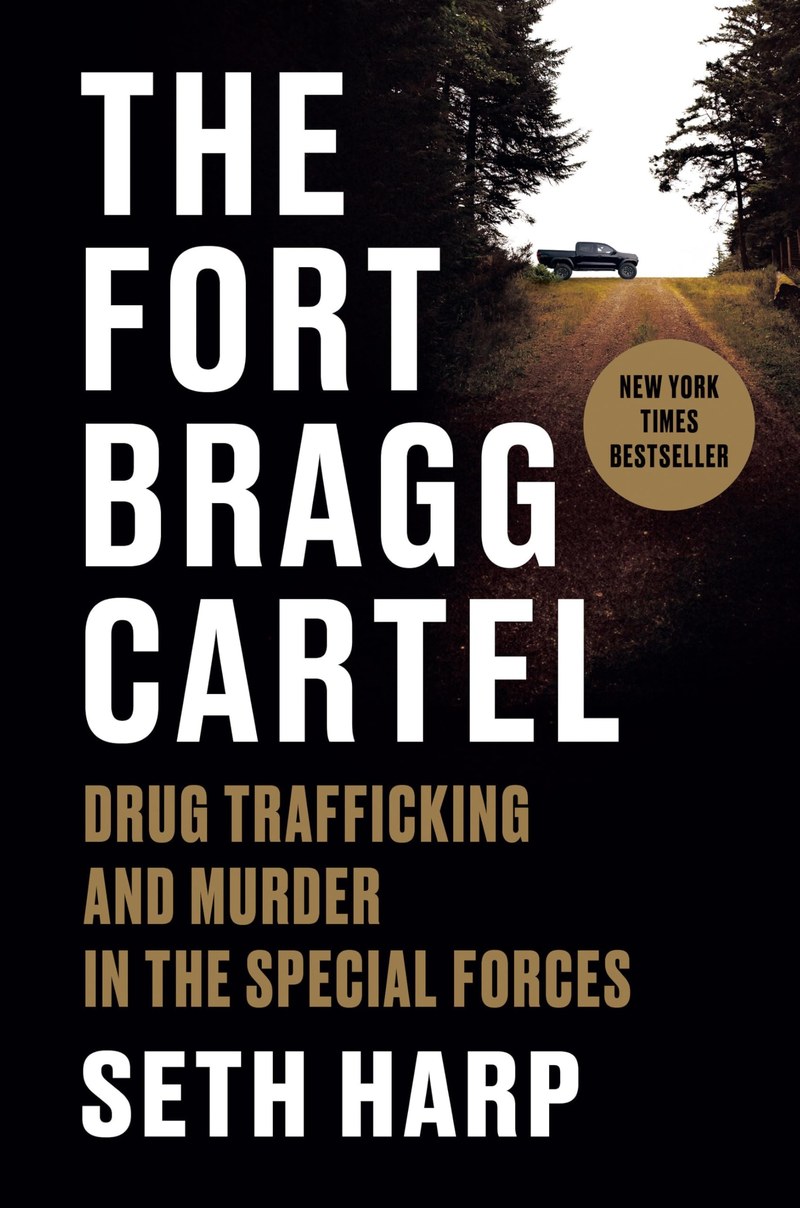
One of the iconic images of the Global War on Terror is The Operator, a fierce, burly, bearded warrior who combines primitive savagery with high tech weapons and training. In the United States, these soldiers serve in a variety of units centered around Fort Bragg in North Carolina. They’re the sharp point of the spear. They receive glowing praise in venues from Hollywood blockbusters and video games to executive leadership books inspired by lessons from the Special Forces to monster truck rallies. And they’re profoundly fucked up.
The Fort Bragg Cartel opens with First Sergeant Mark Leshikar, a Green Beret, and Master Sergeant William Lavinge of Delta Force returning from a family vacation to Disney World with their daughters. Both men were coming down from a Fear and Loathing in Las Vegas level drug binge: cocaine, MDMA, prescription painkillers and tranquilizers, bath salts, and plain old booze. Leshikar began suffering paranoid delusions, that they were being followed and that Lavinge was assigned to monitor him. When the car arrived in Fayetteville, Lavinge took the girls into the house. Leshikar followed, and in the ensuing incident Lavinge shot his good friend several times at close range, killing him almost instantaneously. The case was adjudicated as self-defense, Leshikar remembered as a hero, and Lavinge put on desk duty, the whole thing hushed up.
But this killing is just the entry into the massively fucked up world of the Special Forces. Operating with essentially no oversight, no accountability, large black budgets, and a truly punishing operational tempo of “F3EAD” (Find, Fix, Finish, Exploit, Analyze, and Disseminate) assassinations, Fort Bragg runs on drugs and crime, with all the ills that entails. When Fort Bragg soldiers are arrested, they are released as “brave warriors who just made a little mistake”. The police are entirely subordinate to JSOC, the chain of command focused on looking good above all else, and it’s easy to imagine that trained killers deployed to the world’s drug hotspots would operate as a gang at home.
After the shooting, Lavinge fell in with Thomas Dumas, a logistics soldier with the 95th Civil Affairs Brigade. Dumas used his familiarity with paperwork to move military gear off the books and arrange shipments. Dumas also partnered with Freddie Huff II, a former North Carolina State Trooper connected into the Zeta Cartel. The two made a lot of money selling drugs and also did a bunch of drugs themselves. The party ran out when Dumas and Lavinge were found shot to death in a pickup truck on a remote part of Fort Bragg. That murder was unconvincingly pinned on a 20-year old gangster with no military ties. Huff was later arrested and sentenced to years in jail for drug trafficking, though in interviews he expects to land on his feet when he gets out.
Leshikar-Lavinge-Dumas-Huff are the core of this book, but the whole of Fort Bragg is rotten. Drug use is omnipresent, sexual assault frequent, and deaths of despair (suicide, overdose) or healthy soldiers just dropping dead while exercising happen all too frequently, roughly 50% higher than any other military post. In 2020 and 2021, 109 Fort Bragg soldiers died, with just 4 of those deaths occurring on military deployments!
In 2025, there are a lot of things going wrong in America. Fort Bragg seems pretty low on the list. But I think Harp makes a case that JSOC is a fundamentally rogue organization and any repair is only temporary as long as these people can get away with everything.